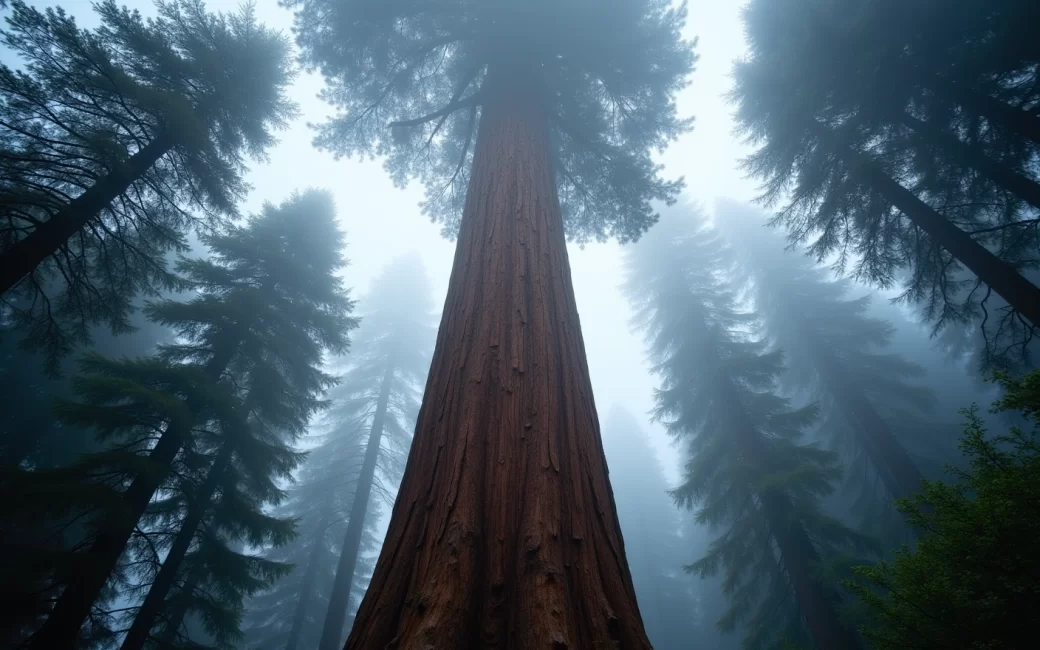
Visitors assume Redwood is one park with one entrance
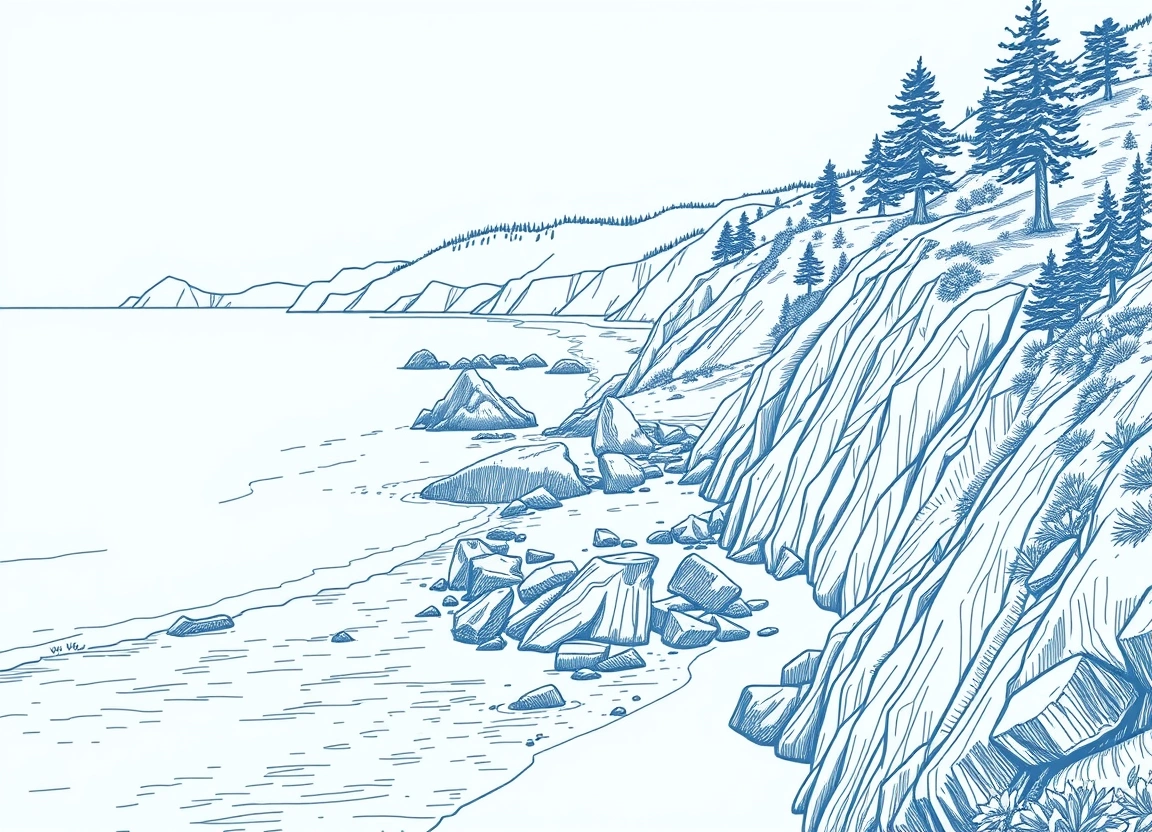
Redwood National Park is not, in fact, a single fenced-off unit with a front gate. It's the national-park half of a four-park complex called Redwood National and State Parks, a cooperative arrangement between the National Park Service and California State Parks that also includes Jedediah Smith Redwoods, Del Norte Coast Redwoods, and Prairie Creek Redwoods. Together the complex stretches roughly 50 miles along the far northern California coast, according to NPCA's park overview.
Because it's four parks stitched together rather than one, rules aren't uniform. Some campgrounds are run by the state park system, some by the NPS; some roads close seasonally; entry fees apply to some units and not others, as the National Park Service explains. A visitor who drives to "Redwood National Park" expecting one entrance station and one loop trail will miss most of the old growth, because the tallest and oldest groves are scattered across the four units, not concentrated at a single gate.
The fix is simple: figure out which unit contains the grove or trail you want before you drive, using a visitor center or the Redwood Parks Conservancy's planning page, and build your route unit by unit rather than assuming one stop covers the complex.
The coastal fog belt supplies the moisture coast redwoods need
Coast redwoods grow where summer fog is reliable, which is why the tallest groves sit near the Pacific coast of northern California rather than inland. The species, Sequoia sempervirens, depends on the moisture that fog drip adds to the soil during the dry summer months, a relationship the National Park Service and Wikipedia's overview of the parks both describe as central to why the species is confined to a narrow coastal strip.
This is the real answer to the Redwood-versus-Sequoia comparison, and it isn't a matter of taste — it's a matter of which tree and which landscape you're after.
| Redwood N&SP (coast redwood) | Sequoia National Park (giant sequoia) | |
|---|---|---|
| Species | Sequoia sempervirens | Sequoiadendron giganteum |
| Growth form | Tall and slender, the world's tallest trees | Shorter but far bulkier by trunk volume |
| Habitat | Coastal fog belt, near sea level | Sierra Nevada mid-elevation forests |
| Landscape mixed in | Beaches, coastal bluffs, prairies with elk | Granite peaks, foothill canyons, alpine terrain |
| Access season | Groves reachable year-round | High country closed by snow much of the year |
Coast redwoods win on height; giant sequoias win on trunk mass and overall bulk. If what you picture is a needle-thin tower vanishing into fog, that's Redwood. If you picture a trunk so wide it looks like a building, that's Sequoia. Neither park's signature tree is "bigger" in every sense — they're bigger in different dimensions, and the geography explains why: one tree needs coastal fog, the other needs Sierra elevation and a drier, more seasonal climate.
A one-day visit is limited by the mileage between park units
One day is enough to see real old-growth redwoods, but not enough to see the whole complex — the four units span too many miles of two-lane coastal road for that. A workable one-day plan picks one or two adjacent groves plus a coastal stop rather than trying to string together units at opposite ends of the parks.
A sensible day might look like:
- Start at a visitor center — the Redwood Parks Conservancy or NPS sites list several — to check current road and trail conditions.
- Walk one old-growth grove trail in Prairie Creek Redwoods or Jedediah Smith Redwoods, both known for short, well-marked loops.
- Add a coastal stop, such as a beach or overlook, since the parks include shoreline as well as inland forest, per NPCA.
- Leave the remaining units for a return trip rather than rushing between them.
Turning this into two or three days mainly means adding a place to sleep. Staying at an in-park campground, or in a gateway town such as Crescent City, removes the long drive back to a coastal highway hotel and lets you start the next grove earlier. In-park camping has to be booked ahead: Recreation.gov lists the campgrounds inside Redwood National and State Parks, and reserving a site is the single step that turns a one-day visit into a multi-day one without adding much driving.
Redwood National and State Parks
The complex sits under one name in the public imagination but under two management agencies on the ground, spread across roughly 50 miles of the far northern California coast, as NPCA notes. It includes coastline, prairie where Roosevelt elk graze, and inland river canyons in addition to the redwood groves most visitors come for, according to the National Park Service. Treating it as one continuous park with a single character undersells how varied the terrain actually is between its northern and southern ends.
Coast redwood (Sequoia sempervirens)
The coast redwood is the species the entire complex exists to protect, and it's also the tallest tree species on Earth, a distinction the NPS documents for trees growing within these parks. Its height comes at the cost of a narrower range: coast redwoods grow naturally only in a coastal strip of northern California and southern Oregon where fog is frequent enough to supplement summer rainfall. That narrow tolerance is why the species is essentially absent once you move inland past the fog belt, and why the tallest individual trees are found close to river corridors and coastal terraces rather than on exposed ridgelines.
Old-growth redwood forest
Old-growth groves — forest that has never been logged — make up the core of what draws visitors to the parks and the core of what the parks were created to conserve. Roughly 45% of the world's remaining old-growth coast redwood forest is protected within Redwood National and State Parks, according to Wikipedia's summary of the parks' conservation history. Much of the surrounding coast redwood range outside the parks was logged in earlier decades, which is a large part of why these particular groves carry outsized ecological and historical weight relative to their acreage.
For visitors who can't manage a long hike, this matters practically: some of the most impressive old-growth stands sit along short, level, or paved paths rather than backcountry trails, and checking trail length and surface at a visitor center before setting out — via the Redwood Parks Conservancy's trip-planning page — is the way to find those routes rather than guessing from a map.
Cooperative NPS / California State Parks management
The federal-state split isn't a technicality — it determines what a visitor actually pays and where they can camp. Some of the state park units charge a day-use vehicle fee at their own entrance stations, while the national park sections do not operate the same fee system, a distinction laid out on the NPS park page. Campgrounds follow the same split: several are run through the California State Parks reservation system and others through Recreation.gov, so the booking platform you need depends on which unit's campground you're trying to reserve. Checking which agency manages the specific grove, trail, or campground before you plan is the only way to know which fee schedule and reservation system actually applies.
Constituent state parks (Jedediah Smith, Del Norte Coast, Prairie Creek Redwoods)
The three state parks each bring a different landscape and a different access road. Jedediah Smith Redwoods sits along the Smith River near the Oregon border and is reached via Highway 199; Del Norte Coast Redwoods runs along a stretch of coastal Highway 101 with bluff-top views; Prairie Creek Redwoods combines old-growth groves with open prairie where elk are commonly seen, a mix of terrain the NPS also describes across the complex. Each has its own campground and its own set of access roads, which is the practical reason a single day rarely covers more than one or two of the four units well.
Before setting a date, check current conditions and any seasonal road closures directly on the NPS Redwood park page or the Redwood Parks Conservancy site, then pick the one or two units your day will actually cover.